Planning flatbed hire in Slough
Hiring an open-bed vehicle in Slough usually starts with a simple question: what are you moving, and where will it come off? A dropside or flatbed suits timber, fencing, pipe, pallets and site equipment because the sides fold down and the load can be reached from more than one angle. That flexibility only pays off when the vehicle, the load and the place you stop all fit together, so this page takes each of those choices in turn.
It is written for householders tackling a project, tradespeople collecting materials and businesses running site or utility work. It does not promise a particular vehicle, price or collection point. Instead it sets out what to ask the supplier, what to read on the plate and in the paperwork, and how to plan loading and unloading so the day runs safely and within the rules.
Matching the dropside category to the job
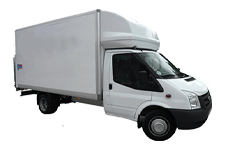
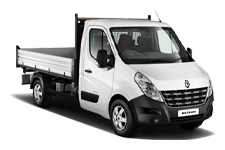
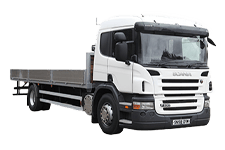
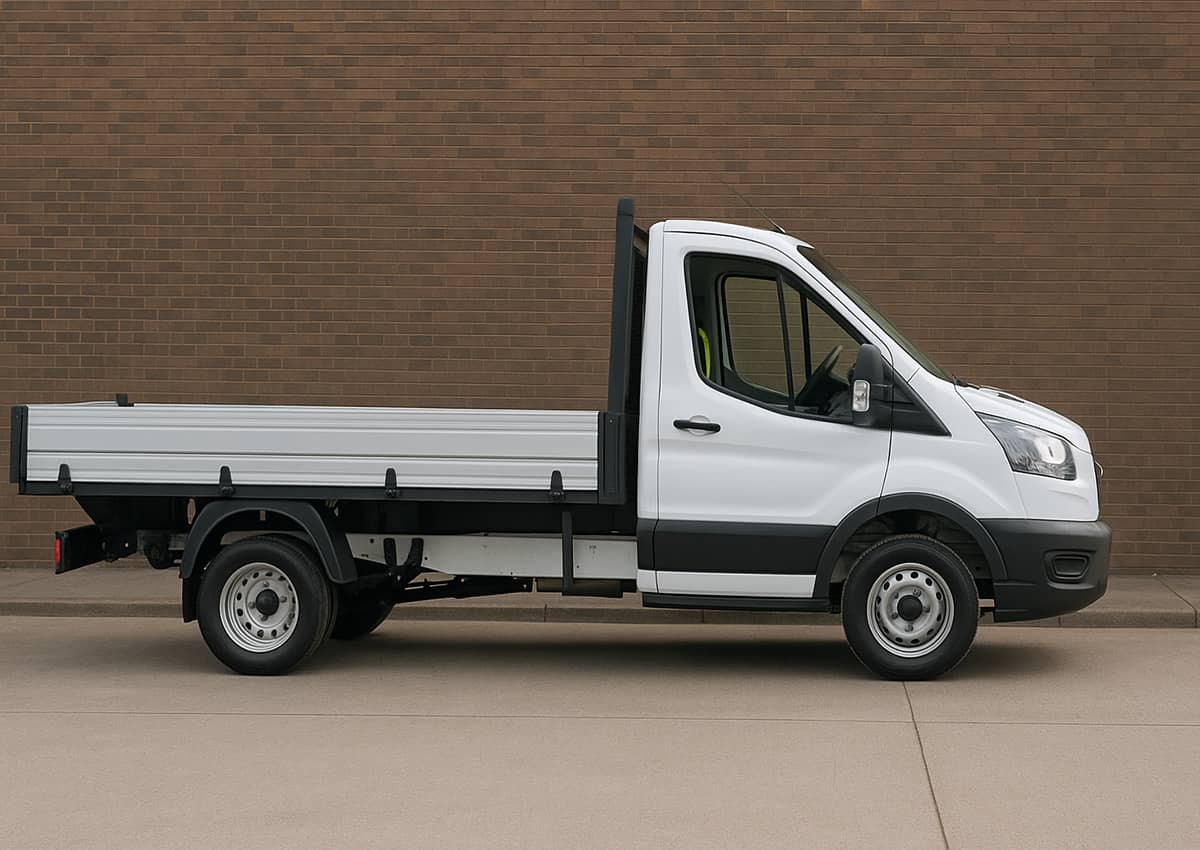
A 3 metre dropside is the compact option, useful for fencing panels, boards, bagged materials and smaller tools where a lorry would struggle for space. A 4 metre body gives extra deck length for longer timber or pipe and more room to spread palletised supplies. A dropside with a tail lift is worth discussing when goods are heavy but wheeled or palletised and there is no loading dock at the other end.
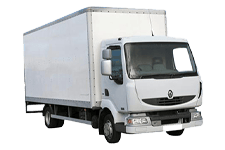
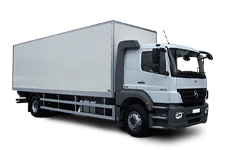
The 7.5 tonne dropside lorry offers a longer, wider bed for scaffolding, several pallets or larger machinery, but it brings licence, route and unloading questions of its own. Bed lengths describe each category rather than guarantee it, so measure your longest item, allow room for restraint, and ask for the actual body dimensions of the vehicle you will be given before you commit.
Sources: Nationwide Hire UK: 3 metre dropside, Nationwide Hire UK: 4 metre dropside, Nationwide Hire UK: dropside with tail lift, Nationwide Hire UK: 7.5 tonne dropside
Gross weight, payload and loading equipment are three different numbers
Maximum authorised mass, often called gross vehicle weight, is the most the vehicle may weigh in total, and it is normally shown on the plate or sticker. Payload is what remains once the vehicle itself, fuel, driver and passengers are accounted for. A category may be described with a representative payload, such as around 1,100 kg for a 3 metre dropside, but the allocated vehicle can differ, so confirm its real figure.
Loading equipment carries its own rating. A tail lift's capacity says how much it can raise in one go; it tells you nothing about how much the vehicle can carry. Add up everything going on the bed, including pallets, packaging and restraint gear, and remember that axle loads shift after each drop. If the total sits close to the limit, a weighbridge check or a larger category is the safer choice.
Sources: GOV.UK: vehicle weights explained, DVSA: HGV overloading basics, Nationwide Hire UK: 3 metre dropside, Nationwide Hire UK: dropside with tail lift
Licence categories and the 3.5 tonne line
A car licence, category B, generally covers vehicles up to 3.5 tonnes maximum authorised mass, which takes in the smaller dropsides. Above 3.5 tonnes and up to 7.5 tonnes, category C1 is generally required. Many drivers who passed their test more recently hold B only, so read the categories printed on each driver's licence rather than assuming.
The deciding figure is the plated maximum authorised mass of the vehicle you actually receive, not the weight of the load you plan to carry. Suppliers may also set their own age, experience or commercial-use conditions, particularly for 7.5 tonne work. Settle these points before booking so an eligible driver is lined up and nobody discovers a mismatch on collection day.
Sources: GOV.UK: driving licence categories, Nationwide Hire UK: 7.5 tonne dropside
Restraining the load on an open bed
Folding sides are not a restraint system. Official guidance is clear that a load cannot rely on its own weight or on friction to stay put, and that the method chosen must suit both the load and the vehicle. In practice that means rated straps to proper anchorage points, blocking against the headboard, and friction matting where it helps. Rope hooks and sheeting hooks are not load anchor points.
Before loading, look over the platform, body, headboard and anchor points for damage, and ask the supplier which restraint equipment, if any, comes with the hire. Long timber or pipe projecting beyond the bed may need marking and, at certain lengths, advance notice, so measure the overhang and check the current guidance before setting off. Recheck tension after the first few miles and after every partial unload.
Sources: DVSA: securing loads on HGVs and goods vehicles, DVSA: load securing basics, DVSA: ways to secure a load, DVSA and DfT: overhanging loads on vehicles
Side loading and unloading without surprises
Side access is one of the main reasons to choose a dropside, because a forklift, a pallet truck on a tail lift or two people can reach the load without climbing over it. That benefit depends on the ground. Stand the vehicle on firm, level surface, apply the handbrake, and agree in advance who does what at both ends, including any help from the site receiving the goods.
Lower sides one at a time and stand clear, because a shifted load can press against a side and push it open suddenly. Keep people out of any area where items could fall, and never work on the bed while a forklift is operating alongside. Unload in an order that keeps the remaining weight spread and stable, then re-secure what is left before moving on.
Sources: HSE: safe loading and unloading, DVSA: securing loads on HGVs and goods vehicles
Standing a vehicle for utility or road works in Slough
If the job is utility or road works and the truck needs to wait inside a residential parking zone or on single or double yellow lines, Slough Borough Council offers a dispensation route, and applicants must supply proof that they are carrying out works. It is aimed at works, not ordinary deliveries or domestic moves, so establish whether your job genuinely qualifies before arranging for a loaded vehicle to wait there.
Where bays need to be suspended, the request sets out the location, the dates and times, and the reason. Plan the exact standing position for the length of the bed plus working space for lowered sides, and give a realistic unloading duration rather than a hopeful one. Apply through the council's current online process in good time, and do not treat anything as approved until you hold the confirmation.
Sources: Slough Council: dispensations, Slough Council: suspensions
Parking permission is not permission to work on the highway
The council's suspension information makes a separate point: utility works on the highway must be approved by the Streetworks Team, with a permit issued. A dispensation or suspension lets a vehicle stand in a particular place; it does not authorise digging, placing equipment on the carriageway or any other work on the highway itself. Treat them as two distinct approvals, held by whoever is responsible for the works.
For a hired dropside, the practical consequence is sequencing. Collecting materials early and leaving a loaded truck on street before the works permit exists risks having nowhere lawful to stand. Secure the works authority first, then the standing arrangement, then the vehicle collection. On arrival, read the signs in place that day, because restrictions and suspensions can change after your plan was made.
Sources: Slough Council: suspensions, HSE: safe loading and unloading